You dropped your car off expecting one number, and now the shop is calling with another, higher figure. This is one of the most frustrating moments in vehicle ownership, and it happens more often than most drivers realize. The good news is that rising estimates usually follow a logical pattern once you understand how repair shops evaluate damage. This article breaks down the real reasons your quote keeps growing, so you can walk into your next repair conversation with confidence instead of confusion.
Hidden Damage Discovered During Teardown
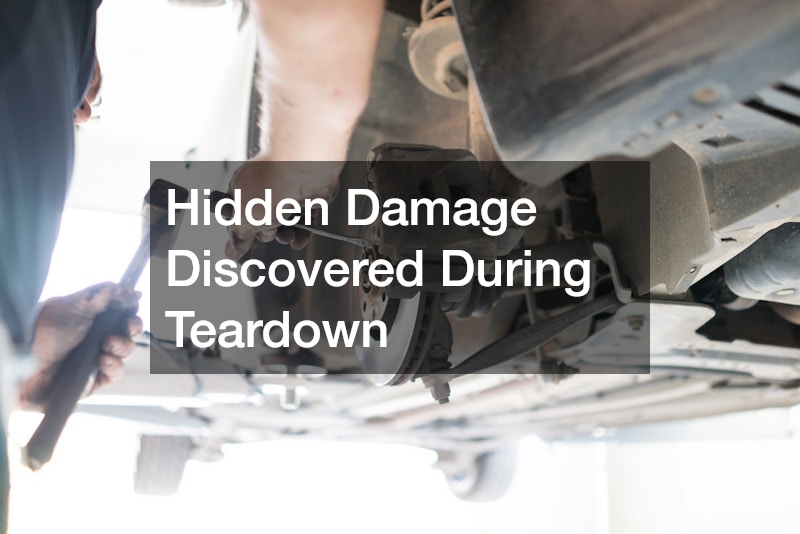
The initial estimate you receive is almost always based on a visual inspection, not a full disassembly of the vehicle. An estimator can only evaluate what’s visible without pulling anything apart, so the number you get upfront reflects surface-level damage, not what’s actually happening underneath. This is one of the fundamental realities of automotive repair that most customers don’t realize until they’re already in the process.
Once technicians actually remove bumpers, panels, or trim pieces, they frequently find damage that was invisible from the outside. Bent brackets, cracked radiator supports, damaged wiring harnesses, and crushed foam impact absorbers are common discoveries that simply can’t be assessed until the vehicle is opened up.
This is especially common after a collision, where the force of impact travels through the frame and hits components nobody could see during a walkaround. A relatively minor-looking bumper dent can transfer energy several feet into the vehicle, cracking mounts or misaligning structural rails.
Mechanical and electrical systems add another layer of uncertainty. Sensors for parking assist, lane-keeping, or airbags are often mounted behind exactly the panels being replaced, and any damage to them typically isn’t confirmed until teardown is underway. Because these parts affect safety systems, most shops won’t finalize a repair plan until they’ve physically inspected them.
This is also why shops typically ask for authorization before proceeding past the teardown stage — they need your approval once the true scope of damage is known, which is often the point where the estimate jumps significantly higher than the original number.
This is why written estimates typically include language about supplemental findings. Once a technician removes bumper covers, trim, or damaged panels, they often find bent brackets, cracked mounts, or crumpled structural components that were completely invisible during the initial walkaround inspection. A shop performing auto collision repair has to document any new damage with photos and updated pricing before continuing work, which is standard industry practice rather than an attempt to inflate your bill.
Supplemental estimates commonly add anywhere from a few hundred to several thousand dollars, depending on what’s uncovered. Common surprises include damaged radiator supports, misaligned frame rails, wiring harnesses pinched during impact, or airbag sensors that need replacement rather than resetting. Each of these items requires separate parts ordering and labor time that simply couldn’t be priced accurately before disassembly.
If your estimate jumps significantly after teardown, ask for the supplemental report so you can see exactly what was found and why it matters. A reputable shop should be able to show you photos of the newly discovered damage alongside the original estimate, explain how it connects to the accident, and walk you through the added labor and parts costs line by line.
Parts Availability and Price Fluctuations
The cost of replacement parts is not fixed the way many customers assume. Prices shift based on manufacturer backorders, shipping delays, and whether a part is sourced new (OEM), used (salvage), or aftermarket. Each of these options carries a different price point and availability timeline, and a shop may have to switch between them mid-repair if their first choice falls through.
When a shop quotes your repair, they are working from the pricing available that day. A control module or bumper cover might show one price when the estimate is written, but by the time the parts department actually places the order, that price can climb due to supplier increases or currency-driven cost changes on imported components.
Timing adds another layer of risk. If a part is backordered for two or three weeks, the shop may need to source it from a different supplier at a higher cost just to keep your repair moving. Popular vehicle models and newer cars with specialized electronics or sensors are especially prone to this, since dealerships often control limited parts supply.
It’s also worth knowing that aftermarket parts, while cheaper upfront, aren’t always guaranteed to fit correctly the first time. A poor fit can mean a returned part, a reorder, and additional labor charges that weren’t part of the original estimate.
Supply chain issues have made this more noticeable over the past few years, particularly for newer vehicle models with specialized components like advanced sensors, computer modules, and manufacturer-specific body panels. A part quoted at $200 on Monday might jump to $260 by the time it actually ships, especially if it’s on backorder or sourced from overseas. Electric and hybrid vehicles tend to see the biggest swings, since battery components and proprietary electronics are harder to source quickly.
Aftermarket versus OEM (original equipment manufacturer) parts also play a role in the final number. OEM parts are typically pricier but more predictable, while aftermarket options can vary widely in cost and availability depending on the manufacturer. Some shops will offer both choices and explain the tradeoffs in cost, fit, and warranty coverage.
A reputable auto repair shop will usually explain which parts are subject to price changes up front, so you are not blindsided later. They may also flag parts with long lead times, suggest locking in a price when a part is ordered, or recommend used or refurbished alternatives when appropriate to help keep your estimate closer to the original quote.
- OEM parts tend to be pricier but more predictable in fit and cost, since they come straight from the manufacturer with no guesswork on compatibility
- Aftermarket parts can be cheaper upfront, but sometimes require additional labor to install correctly, which can quietly offset the savings on your final bill
- Used or recycled parts vary widely in price depending on availability, condition, and how many salvage yards your shop can source from
- Backordered parts can extend both timeline and cost, especially for newer models or specialty trims, where supply chains are still catching up
- Regional supply and demand also play a role — a part that’s abundant in one area may be scarce (and pricier) in another
- Rental car and storage fees can stack up while you wait on a backordered part, adding hidden costs beyond the parts invoice itself
Labor Rates and Diagnostic Time Differences

Labor is often the most misunderstood part of any repair bill. Shops calculate labor using standardized time guides for specific tasks, but real-world conditions like rusted bolts, seized components, or unexpected corrosion can push a job well beyond the estimated hours. Experienced auto mechanics will flag these issues as they arise, but the added labor still has to be reflected in your final invoice.
Diagnostic time is another factor that catches people off guard. Modern vehicles are loaded with sensors and computer modules, and pinpointing the actual source of a problem sometimes takes longer than fixing it. If your shop bills separately for diagnostics before quoting the repair itself, ask them to walk you through what that process actually involves.
Frame and Structural Damage Assessment
Frame damage is one of the biggest reasons an estimate can balloon after work begins. What looks like a simple dented panel on the surface may actually indicate the frame has shifted or bent underneath. Measuring and correcting frame alignment requires specialized equipment, and the labor involved is significantly more intensive than cosmetic bodywork.
Structural repairs also affect vehicle safety systems, including airbag sensors and crumple zones, which must be restored to factory specifications. This level of precision work explains why frame-related estimates often carry some of the largest price jumps in the entire repair process.
Paint Matching and Refinishing Complexity

Paintwork sounds simple in theory, but is one of the more technical parts of any body repair. Matching factory color requires blending into adjacent panels, and metallic or pearl finishes are especially difficult to replicate without visible seams. If your vehicle has been repainted before or has faded from sun exposure, achieving a seamless match takes extra time and materials.
Shops sometimes discover during the paint stage that more panels need to be blended than originally planned, which adds to the total. This is a normal part of doing quality refinishing work, since a poor match is far more noticeable and costly to fix later than getting the color and texture right the first time.
Window and Glass Damage Beyond the Original Estimate
Windshields and windows are often treated as an afterthought in an initial quote, but they can significantly change the final price. A small crack can spread during the removal or reinstallation of surrounding trim, turning a minor repair into a full replacement. Many drivers are surprised to learn that auto glass services also need to account for recalibrating advanced driver assistance systems, since many windshields now house cameras and sensors tied to lane departure and collision warning features.
If you already have auto window tint applied, that adds another layer to consider, since tinted glass sometimes needs to be replaced entirely rather than repaired. Getting a clear breakdown of glass-related costs upfront can prevent surprises later in the repair timeline.
Cosmetic Add-Ons That Change the Scope of Work

Sometimes a rising estimate has nothing to do with hidden damage and everything to do with decisions made along the way. Customers often ask shops to include extra services once the vehicle is already apart, since it can be more efficient to handle everything at once. Window tinting is a common example, as people realize it is easier to have it done while other exterior work is already underway.
These add-ons are optional, but they do affect your total cost, so it helps to know which parts of the estimate are essential repairs versus upgrades. A transparent shop will clearly separate these line items so you can decide what fits your budget.
- Tint upgrades for privacy or heat reduction
- Paint protection film on high-impact areas
- Interior refreshes are done alongside exterior work
- Trim or molding replacement instead of repair
Protective Coatings and Long-Term Value Additions
After a repair, many owners consider protective treatments to keep their vehicle looking newer for longer, and this can influence the final estimate if it is bundled into the same visit. Ceramic coating is one of the more popular options because it adds a layer of protection against UV rays, minor scratches, and environmental contaminants. While not required for the repair itself, some shops offer it as a package deal that shows up as an added cost.
It is worth asking whether these additions are being suggested because they genuinely benefit your vehicle or simply because it is convenient to upsell during the same appointment. A trustworthy provider will explain the value clearly rather than pressuring you into a decision on the spot.
Preventive Services Bundled Into the Visit
Repair visits are often when other maintenance issues come to light, since your vehicle is already on the lift and technicians are inspecting it closely. Fluid leaks, worn belts, or aging brake components might get flagged even though they are unrelated to the original repair. Staying current on car maintenance can actually reduce the frequency of these surprise add-ons because small issues get caught and addressed before they escalate.
Some shops also offer an auto detailing service as part of a post-repair package, cleaning up dust or residue left behind from the work performed. While helpful, this is another optional line item that can raise your final total if you are not tracking what is essential versus supplementary.
- Fluid top-offs or replacements found during inspection
- Worn wiper blades or belts were noticed during service
- Brake pad wear is identified while the wheels are removed
- Interior cleaning bundled with the repair visit
A climbing repair estimate is rarely random, and understanding the reasons behind it puts you in a much stronger position as a customer. Ask questions at every stage, request documentation for any supplemental damage, and separate essential repairs from optional add-ons before agreeing to anything. The more informed you are, the easier it becomes to spot a fair, transparent shop versus one that pads your bill unnecessarily. Next time your estimate changes, use this knowledge to ask the right questions and make the decision that best protects both your vehicle and your wallet.
About the Author